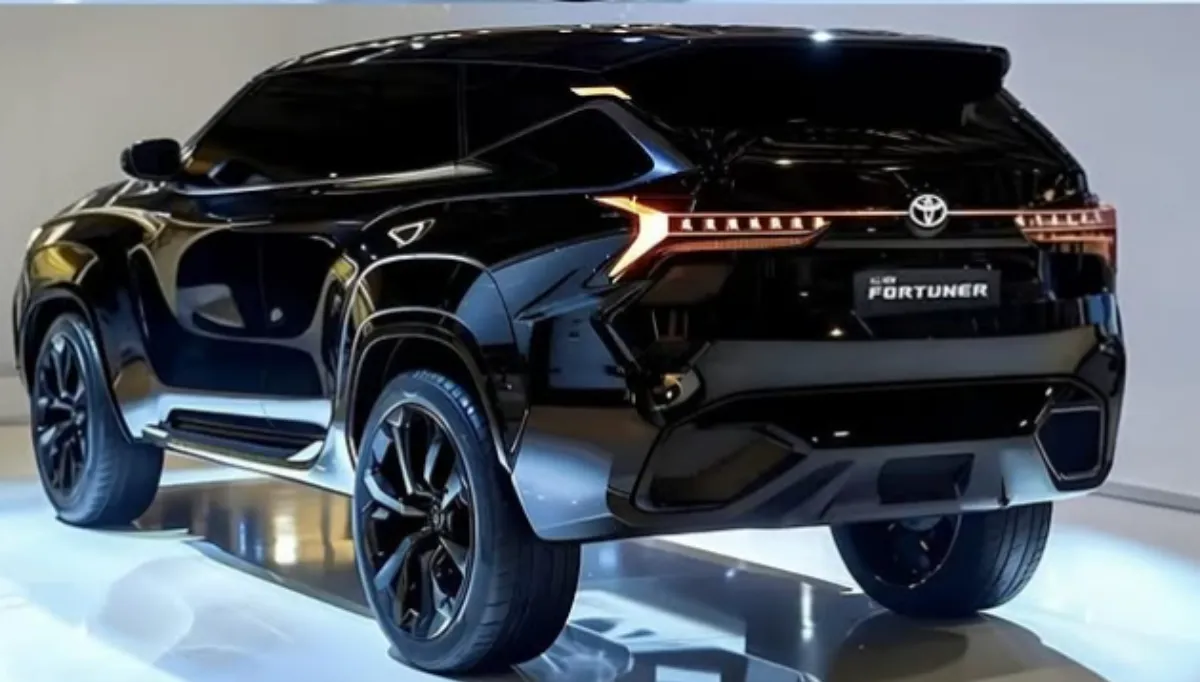
India’s premium SUV segment may be on the verge of a major disruption as reports suggest that Toyota is preparing to launch its 2026 Fortuner at an expected starting price of ₹30 lakh, combined with an industry-surprising mileage claim of 22 km/L.
If these figures are confirmed officially, the 2026 Fortuner will redefine benchmarks in the full-size SUV category, both in pricing and fuel efficiency.
A Rumoured Launch That Has Captured Market Attention
While Toyota has not yet issued an official press note confirming the ₹30-lakh pricing or the 22 km/L range, several industry insiders indicate Toyota’s strong push toward hybrid-based efficiency in upcoming models.
Recent developments strengthen the speculation:
- Toyota introduced the Mild-Hybrid Fortuner (48V Neo Drive) earlier this year.
- The current Fortuner starts at ₹33.43 lakh ex-showroom, indicating that a sub-₹30-lakh variant could be part of a new pricing strategy.
- Multiple reports suggest Toyota is preparing a 2026 facelift with updated engine technology and improved emissions compliance.
Although these claims remain unofficial, the possibility has triggered significant excitement among prospective SUV buyers and automotive analysts.
Why a ₹30-Lakh, 22 km/L Fortuner Would Be a Game-Changer
If Toyota delivers on these expectations, the economic implications for the Indian auto market could be substantial:
1. Greater Affordability in the Premium SUV Segment
The Fortuner has long been an aspirational SUV for Indian families. Bringing the entry point down to ₹30 lakh expands its potential customer base by almost 20–30% based on market estimates.
2. Class-Leading Fuel Efficiency
A claimed 22 km/L mileage in a ladder-frame, 7-seater SUV is unprecedented.
For buyers in Tier-2 and Tier-3 cities who travel long distances, fuel savings could be a major decision factor.
3. Competitive Pressure on Rival Brands
This pricing-plus-efficiency formula would put immediate pressure on:
- MG Gloster
- Jeep Meridian
- Ford (if relaunch rumours materialize)
- Upcoming Mahindra premium SUVs
Rivals may be forced to revisit pricing, powertrain efficiency, or feature offerings.
4. Transition Toward Hybrid Dominance
Toyota continues to champion hybrid technology in India.
A high-mileage Fortuner would accelerate the shift toward eco-efficient SUVs, aligning with future emission regulations.
Key Challenges and Economic Concerns
Even though the proposal looks promising, several practical questions remain:
1. Is 22 km/L Realistic in a Full-Size SUV?
Achieving such efficiency would require:
- A next-generation hybrid system
- Weight reductions
- Highly optimized aerodynamics
- Possibly a downsized turbo-hybrid engine
Industry experts point out that this figure may apply under test conditions rather than real-world usage.
2. Impact on Toyota’s Profit Margins
The current Fortuner sits in a high-profit segment. A lower price would require:
- Increased localization
- Reduced production costs
- Larger sales volumes to compensate for reduced margins
3. Maintaining the Fortuner’s Reputation
Fortuner is known for durability and reliability.
A new powertrain must match the same ruggedness, especially for:
- Rural buyers
- Fleet operators
- Off-road enthusiasts
Any compromise could affect brand equity.
Market Outlook: What This Means for Consumers and the Auto Industry
1. Strong Consumer Demand Expected
A Fortuner with better efficiency and lower pricing will likely attract:
- First-time premium SUV buyers
- Existing Fortuner owners looking to upgrade
- Buyers moving up from the 20–25 lakh segment
Early estimates suggest Toyota dealerships could face months-long waiting lists.
2. Possible Government Incentives
If the model uses an efficient hybrid or lower-emission powertrain, it may benefit from:
- Reduced GST brackets
- Incentives under clean mobility initiatives
- Lower registration costs in some regions
This could make the SUV even more financially attractive.
3. Positive Impact on Toyota’s Long-Term Strategy
If successful, the model will strengthen Toyota’s dominance in:
- Hybrid vehicles
- Premium SUVs
- Reliability-focused customer segments
It may also boost Toyota’s share in the 25–40 lakh price bracket.
Conclusion
Although official confirmation is pending, the 2026 Toyota Fortuner priced at ₹30 lakh with 22 km/L mileage has already stirred the automotive ecosystem.
If these specifications become reality, the model could:
- Reshape consumer expectations
- Force competitors to adapt
- Accelerate the hybrid movement in India
- Deliver exceptional value in a segment traditionally known for high fuel costs
For now, all eyes remain on Toyota’s formal announcement.
But one thing is certain — the Indian SUV market may be heading for one of its most significant shifts in years.